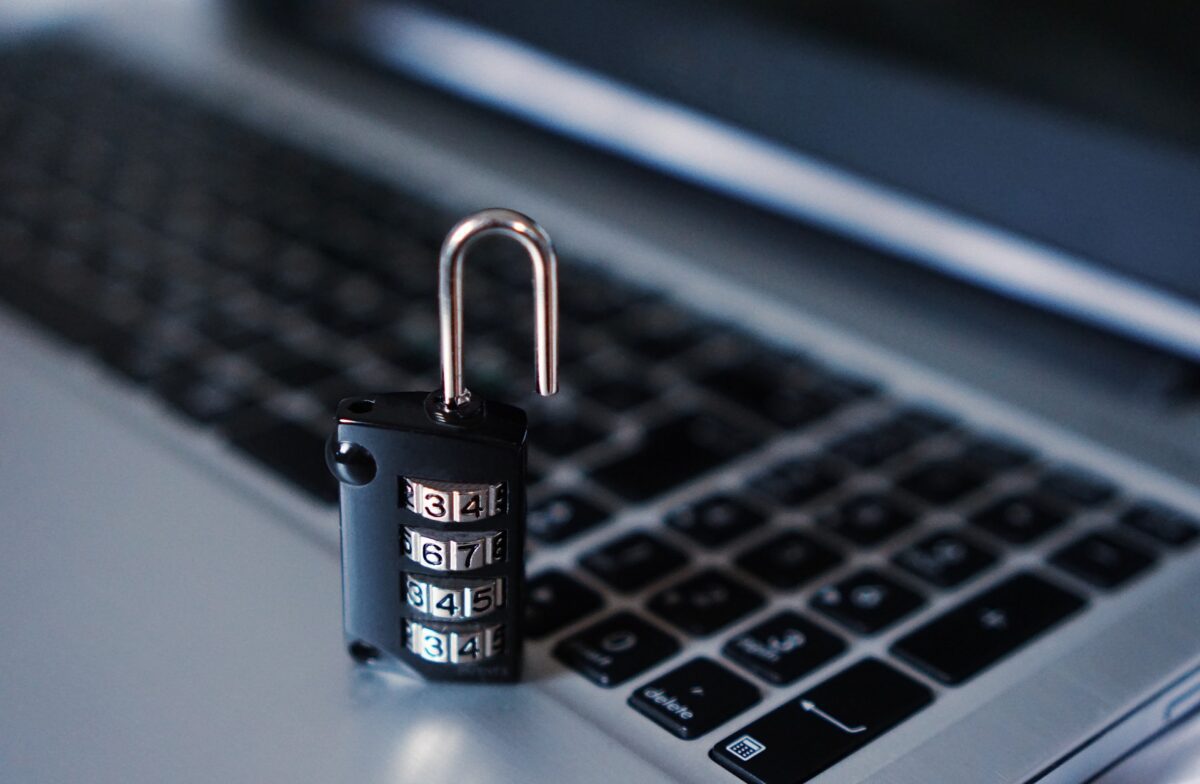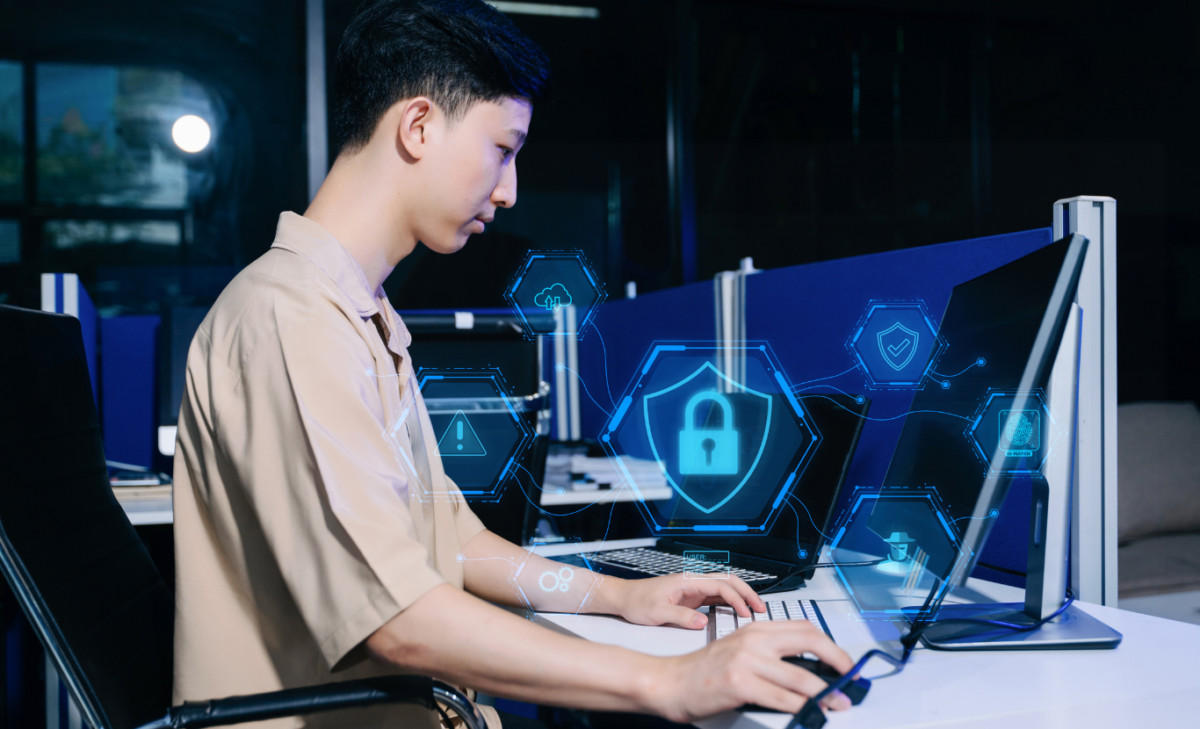
Cybersecurity compliance helps small businesses protect sensitive data, reduce cyber risk, and demonstrate that appropriate security controls are in place. While the specific requirements vary by industry, every business that stores customer, employee, financial, health, or proprietary information should have documented cybersecurity policies, access controls, backup processes, employee training, and an ongoing risk-assessment process.
For Colorado small businesses, cybersecurity compliance is not simply an IT task. It is part of protecting operations, customer trust, revenue, and business continuity. A managed IT partner can help identify gaps, prioritize improvements, and maintain the technical safeguards that support your organization’s compliance obligations.
Key Takeaway: Cybersecurity compliance is the ongoing process of protecting sensitive business data through documented policies, technical safeguards, employee training, risk assessments, and continuous improvement.
What Is Cybersecurity Compliance?
Cybersecurity compliance is the process of putting safeguards in place to help protect business data and systems. Depending on your industry, your organization may need to follow specific legal, contractual, or regulatory requirements. Even if no formal regulation applies, customers and partners increasingly expect businesses to handle sensitive information responsibly.
Common types of sensitive data include:
-
-
-
Customer contact and payment information
-
Employee payroll, tax, and HR records
-
Financial and banking information
-
Confidential contracts and documents
-
Business email and cloud-storage files
-
Login credentials and account access details
-
-
The goal is simple: understand what data you have, where it is stored, who can access it, and how you will protect it.
Core Cybersecurity Compliance Practices
A strong cybersecurity compliance program does not have to be complicated. It should focus on the controls that make the greatest difference for your business.
Assess Your Cybersecurity Risk
A cybersecurity risk assessment helps identify the systems, data, users, and potential weaknesses that could expose your business to a cyber incident.
For example, a risk assessment may reveal that your organization needs stronger email protection, more secure backups, better employee training, or improved access controls for cloud applications.
Protect Sensitive Business Data
Sensitive data should be accessible only to employees and vendors who genuinely need it. This usually includes using unique user accounts, strong passwords, multi-factor authentication, secure file sharing, and role-based access controls.
Businesses should also review user access regularly, especially when employees change roles or leave the company.
Secure Email and Cloud Applications
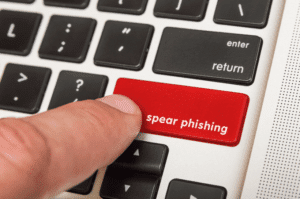
Phishing emails and compromised accounts are among the most common ways cybercriminals gain access to business systems. Strong email security, spam filtering, malicious-link protection, and multi-factor authentication can help reduce the risk of account takeover and fraudulent payment requests.
Complete Business Systems of Colorado provides email security services that help businesses protect communications, improve data integrity, and defend against threats such as phishing and malicious email activity.
Maintain Secure Backups and Recovery Plans
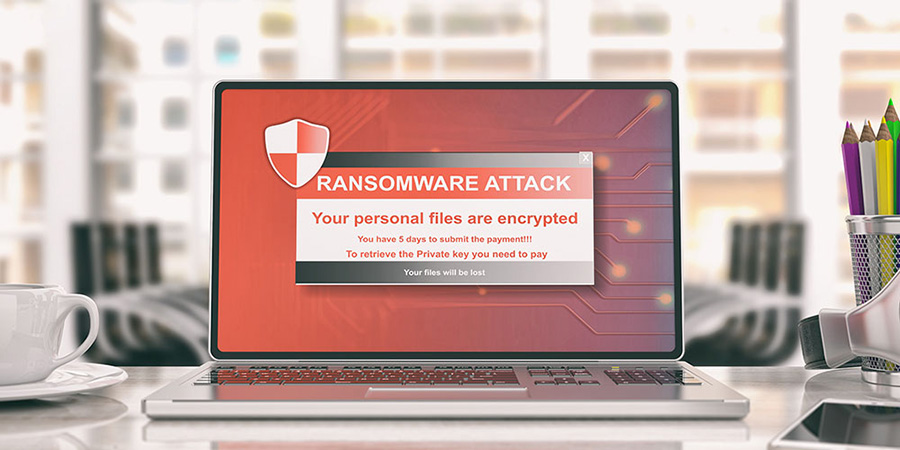
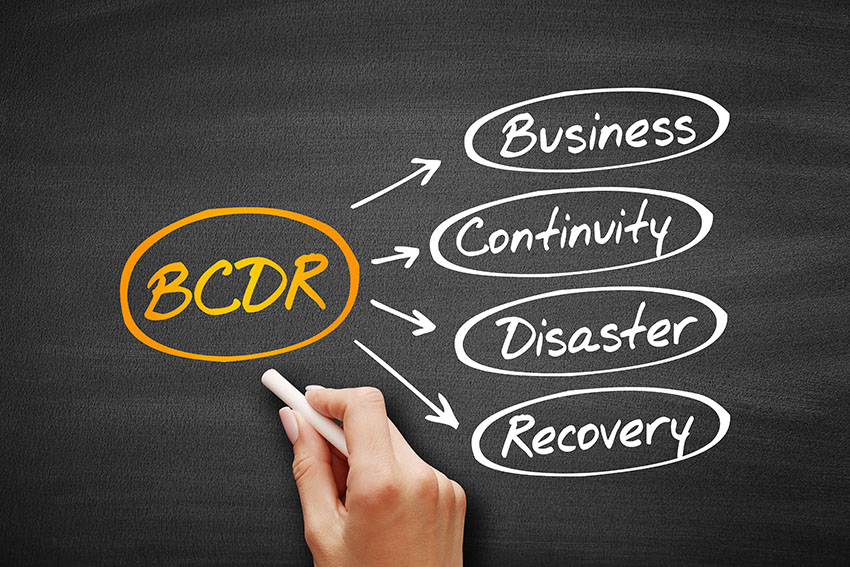
Data backups are essential for cybersecurity compliance and business continuity. If ransomware, accidental deletion, hardware failure, or a cyberattack affects your systems, secure backups can help your business recover critical information and resume operations.
Your organization should know:
-
-
-
Which systems and files are backed up
-
How often backups run
-
Whether backup data is protected from ransomware
-
How quickly critical data can be restored
-
Whether recovery procedures have been tested
-
-
Train Employees to Recognize Threats
Employees play an important role in protecting sensitive data. Cybersecurity awareness training can help your team recognize phishing attempts, suspicious links, fraudulent invoices, and unusual account activity.
Training should also make it easy for employees to report concerns quickly. A fast response to a suspicious email or compromised account can limit damage and reduce downtime.
Create Clear Security Policies
Cybersecurity policies give employees a shared set of expectations for handling data, using business devices, accessing cloud applications, working remotely, and reporting potential incidents.
Your policies do not need to be overly technical. They should be clear, current, and realistic for your team to follow.
How Managed IT Services Can Help
Small businesses often do not have a dedicated internal security team. A managed IT provider can help identify gaps, maintain security tools, manage updates, monitor systems, improve backup readiness, and provide ongoing technical support.
Complete Business Systems of Colorado offers managed IT services designed to support secure, efficient business technology. Our team can help with managed network services, email security, data protection, backup and recovery planning, and ongoing IT support.
Watch Tech Talk With Ray
Want a clearer picture of why cybersecurity should be a business priority? Watch the latest Tech Talk with Ray episode for an approachable discussion about the growing importance of cybersecurity and the role it plays in protecting modern businesses.
Strengthen Your Cybersecurity Compliance
Cybersecurity compliance is an ongoing process, not a one-time checklist. By assessing risks, protecting sensitive data, securing email and networks, maintaining reliable backups, and training employees, your business can build a stronger security foundation.
Complete Business Systems of Colorado can help your organization take the next step toward stronger cybersecurity, better data protection, and more reliable IT operations. Contact our team to learn more about managed IT services and cybersecurity solutions for your business.






 wealth of experience ensures that your business’s IT needs are met efficiently, effectively, and promptly.




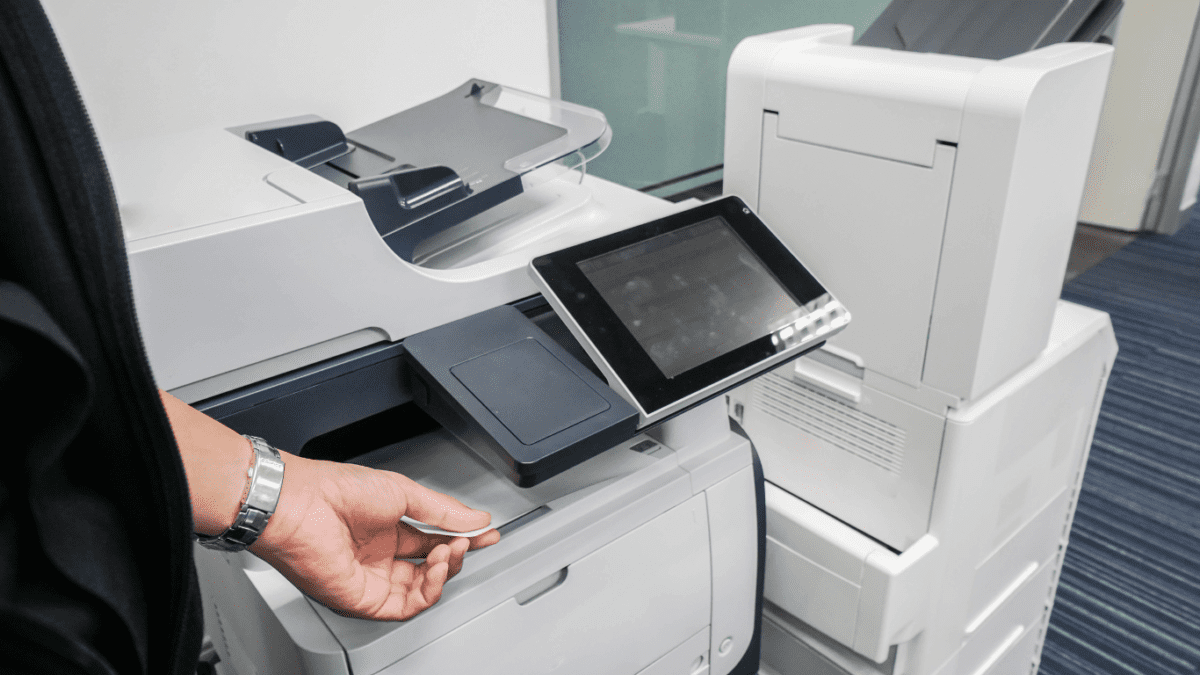





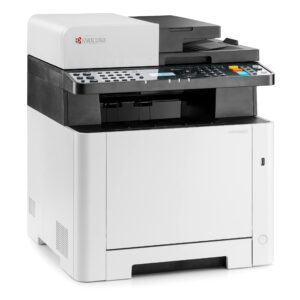
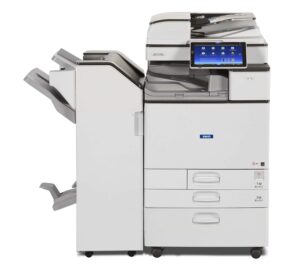
 High-Speed Output: Kip printers deliver fast, high-quality prints perfect for time-sensitive projects requiring large format output.




 guaranteeing that all businesses can find an office solution that meets and surpasses their needs. This strategic partnership accentuates our dedication to diversifying our offerings and underscores our pledge to equip businesses with top-tier tools essential for their growth and operational excellence.
 IT service providers to fortify defenses with state-of-the-art security measures, continuous monitoring, and compliance management, significantly mitigating the risk of data breaches and cyber-attacks.




 management systems can automate repetitive tasks, such as approvals or data entry, accelerating processes and minimizing human error.
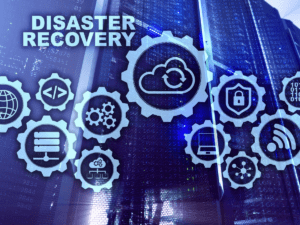

 Here’s how MSPs can play a pivotal role in enhancing your business’s cybersecurity in 2023:
 Two giants in the field of business printers and copiers, Ricoh and Savin, are now operated exclusively under the name Ricoh. While this may seem like a wrench thrown into your workflow at first glance, the fortunate reality is that not much will change in the way you operate your business’s workflow or service your printers, copiers, and other office hardware. We’ll walk you through what exactly has changed between the Ricoh and Savin brands, and how you’ll approach using and servicing your devices in the future.
 So, What Do All These Have In Common?
 When purchasing an office printer or copier, it’s crucial to consider both the upfront and long-term costs associated with the device. Keep in mind the following cost factors:
 Smart Integration from Ricoh, also known as
 In the world of business technology, a Managed Service Provider, or MSP, is a provider of IT and Cloud-based services to businesses and organizations. The advantages of using an MSP lie within two key factors: flexibility, and scalability. An MSP is flexible in that the services they offer may vary in size and scope, depending on your exact needs, and they are scalable by virtue of being able to grow and shrink in size depending on the circumstances at your company at any given time.
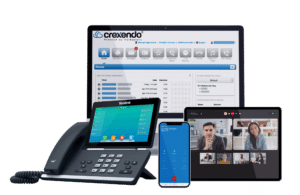 Complete Business Systems is a proud partner with
 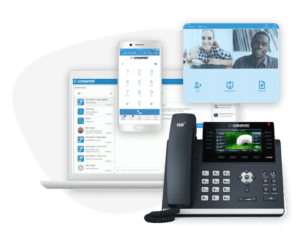 Crexendo VIP Cloud allows you to securely access your phone system from any device, anywhere. This means you can take your business calls on your smartphone, laptop, or desktop computer, making it easy to stay connected and secure no matter where you are. With a traditional PBX, you’re often tied to a specific location or desk phone.
 If you found yourself answering “yes” to the majority, or perhaps even a couple, of these IT security training or IT security technology questions, it may be time to start looking for one or both of them for your business. Look no further than the experts at CBS if your Colorado business needs any sort of IT training or technology — we’ve been in this business for over 25 years, and we’re certified experts at providing IT security support.
 If you’re a business owner, you’re no doubt familiar with all the ins and outs of the taxes involved with your business’s operation. Between finding the right equipment, the logistics of purchasing it, and doing all the necessary bookkeeping, it can be a real hassle – but if you know your stuff, you may find your business qualifies for some nice benefits, hidden deep in US tax code.
 True to its name,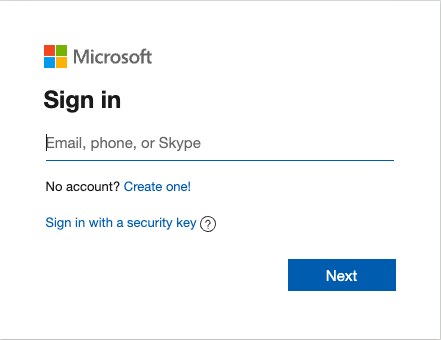
 Most carriers no longer need or want to support aging network infrastructure because they have switched to more modern technologies like fiber optics and mobile/cellular.